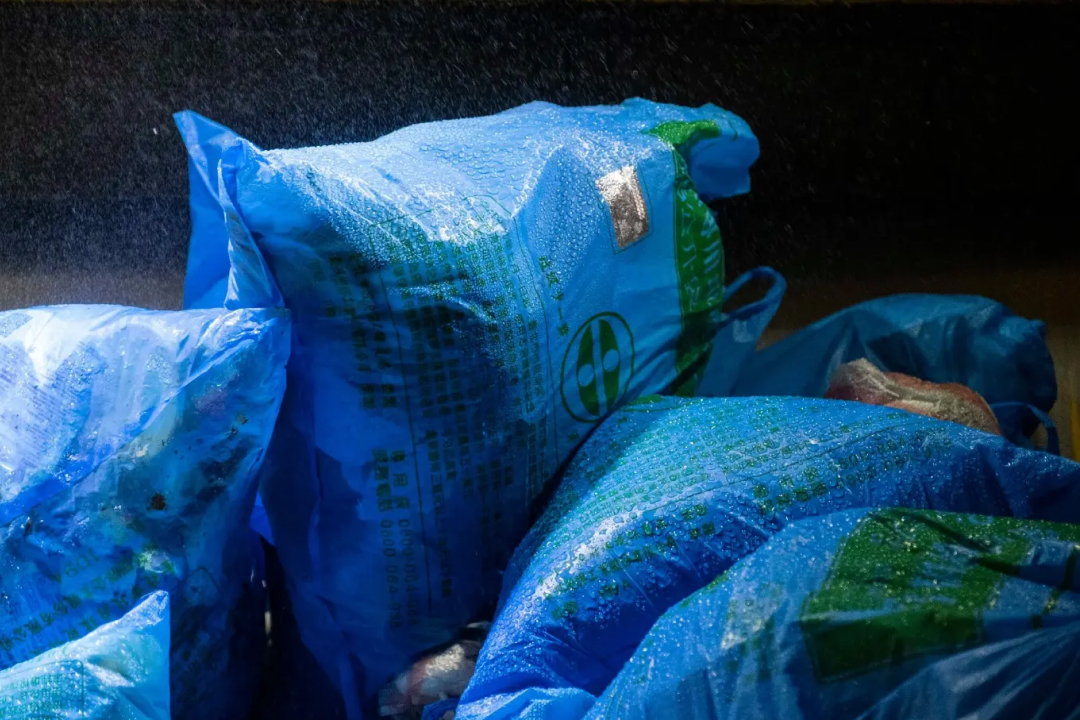
In Taiwan, at the tune of “Für Elise” or “The Maiden’s Prayer”, also commonly known as “the garbage truck music”, people start bagging and bringing their trash out. This has also created a collective memory or experience as many people and myself would be undertaking this task when a friend might call and I had to reply with: “Hold on, I need to take out the garbage!” No one fancies the idea of having to chase after a garbage truck. Then waiting at the street corner with a bag of trash in hand and another of recycled goods, I would say hello to some neighbors I rarely see anymore. More people would emerge out into the streets as the music draws closer. Sometimes this almost seems like a social event as it gives city people the luxury of getting to see their neighbors again.
but there are some jobs where overtime work people is very common, and even after came home, they were not catch up with the garbage truck time, What they opinion on the garbage truck at fixed time and location?on the other hand, What is the cleaner for the garbage truck opinion on the recycling knowledge of Taiwanese citizens?
This article follows the design research I conducted to highlight the above-mentioned gaps and to reach viable conventions to address them- by investigating the existing ecosystem, The cleaner for the garbage truck, and citizens’ opinions on the recycling knowledge of Taiwanese citizens.
I started the research by understanding the current ecosystem and mapping out all the touchpoints and actors involved. By digging deeper and defining the different exchanges and their points of contact, I wanted to explore the potential alternatives and the educate recycling knowledge
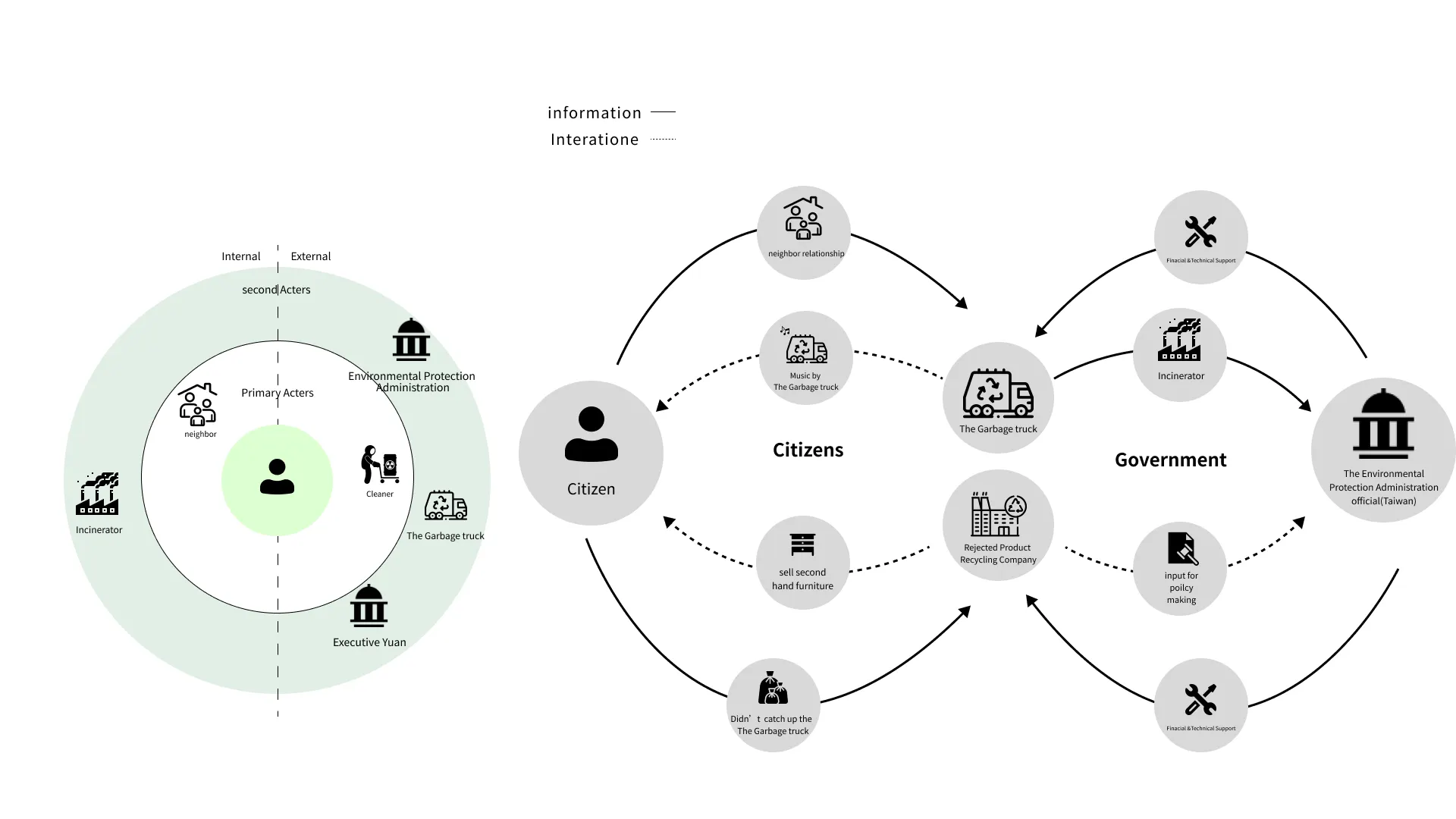
From the information I had already gathered, there was a common theme that prevailed- Despite the government’s efforts, the citizen’s recycling knowledge is the point. To make sure of this, I adopted two different approaches- interviewing different people (actors I’d already mapped out) and analyzing the different ways of recycling and waste management.
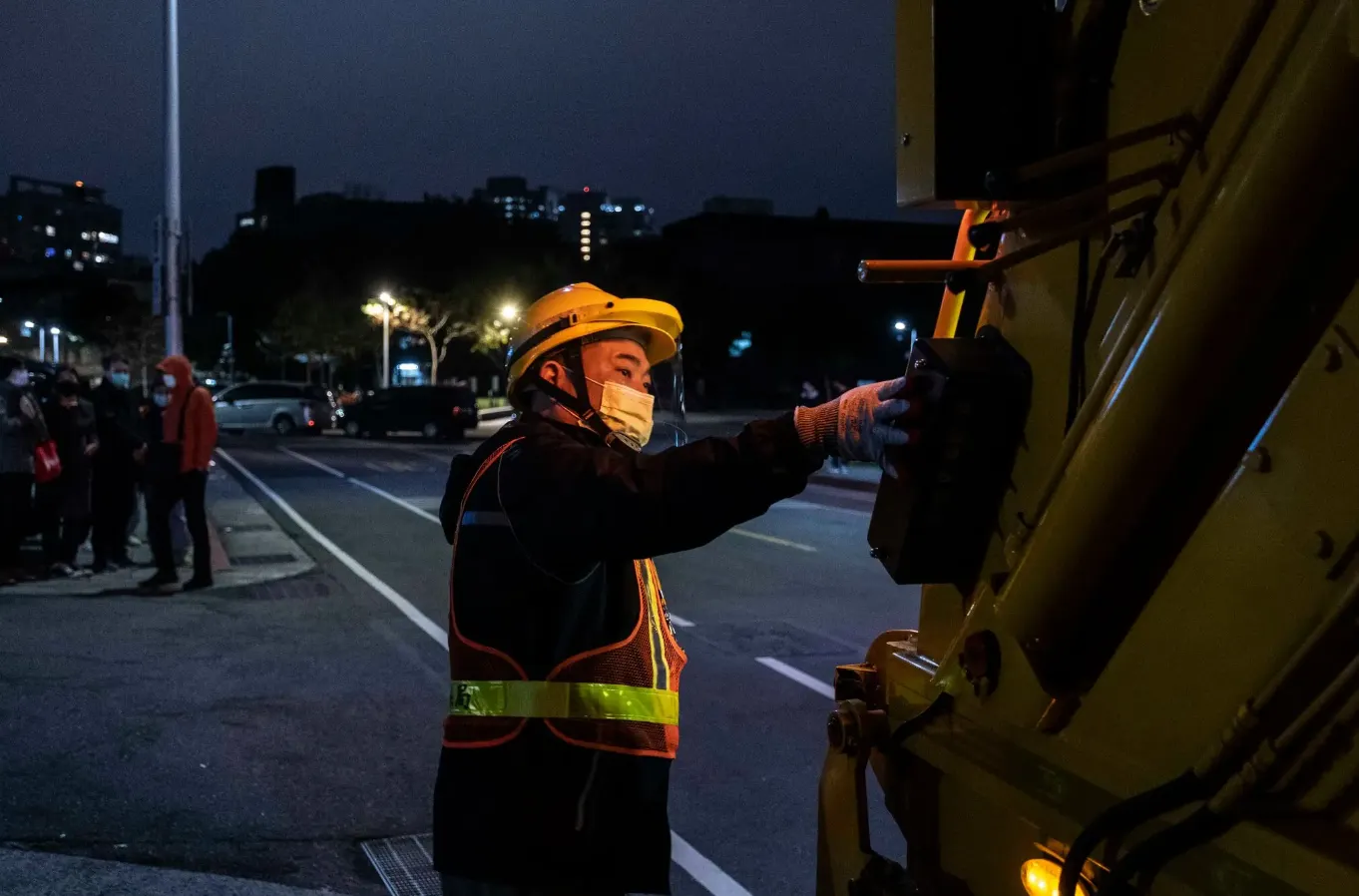
As a workforce people, the views of entering the workforce and Cleaner are very crucial. I interviewed on entering the workforce people and Cleaner in Taiwan. I asked about their daily life behaviors and their views on the garbage truck policy, as well as showed them the data on recycling problems in Taiwan caused and asked them about their feeling. Here is the result of the research.
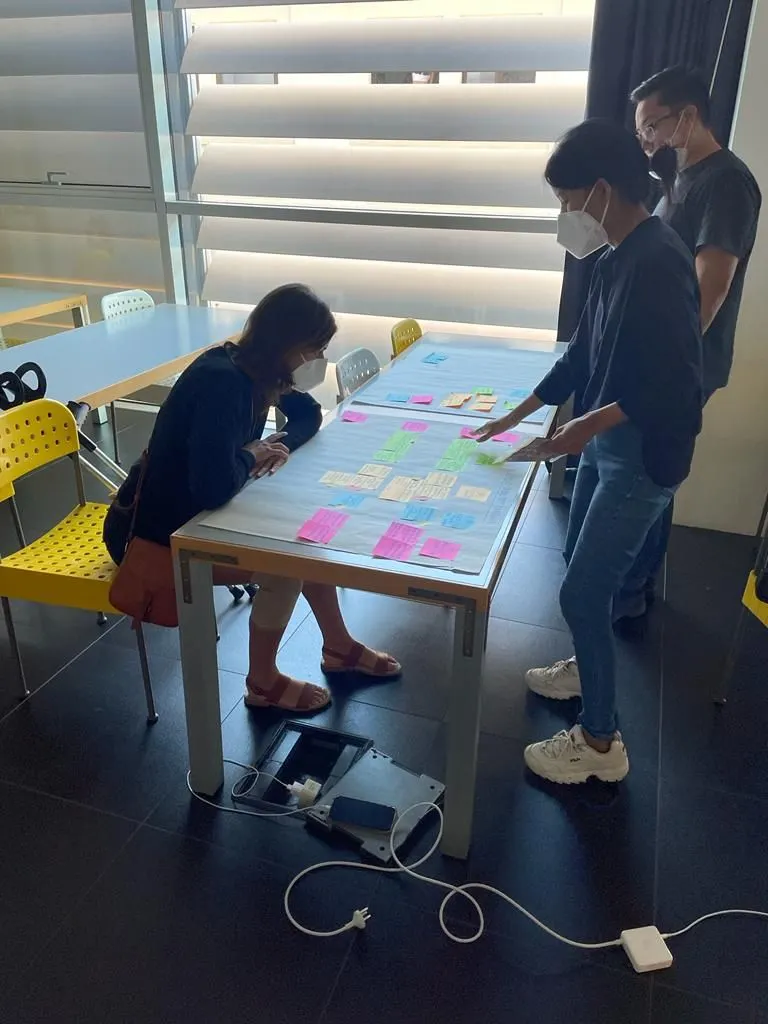
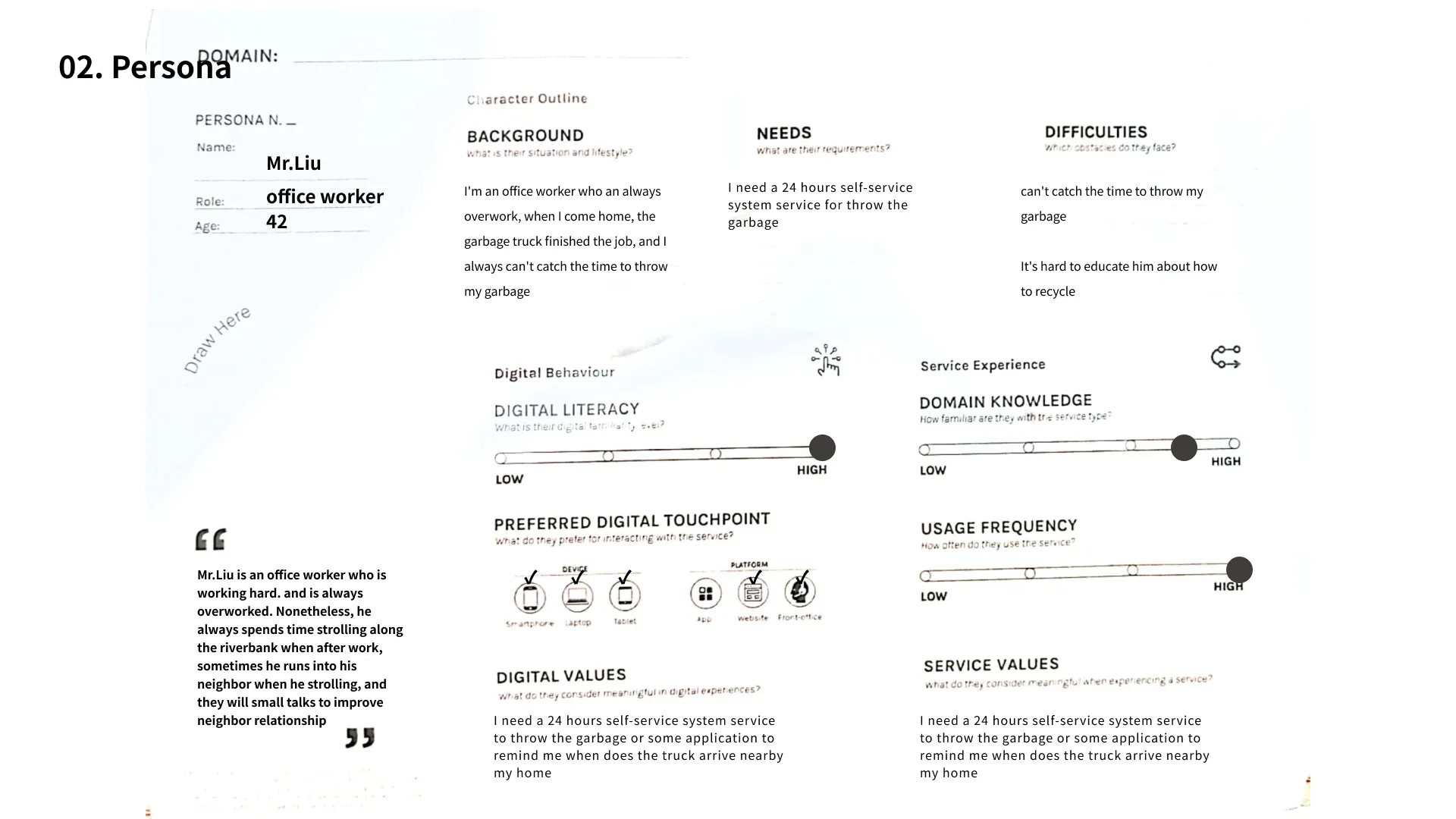
The interviewers who are always overworked (workforce people) said that their working time sometimes will conflict with the garbage truck time. and they try to know how to recycle. For the cleaners of the garbage trucks, they said that the citizen in order to fast throw the garbage, will do the litterbugs to the truck it will dangerous and injure the staff behind, and also make the environment to be dirty. and the cleaners usually see that the lot of waste they send to the incinerator is business waste that should not have appeared.
So how to solve those problems? and what way could change citizens’ recycling ideas? The following are some of the insights that we have studied in our research.
Effective Waste Collection Methods that Reduce Trash
In addition to generating less trash at the source, separating recyclable materials and food waste are also important keys to reducing trash, so an effective waste collection method is needed. However, waste collection methods vary greatly between Taiwan’s urban and rural areas, with much room for improvement.
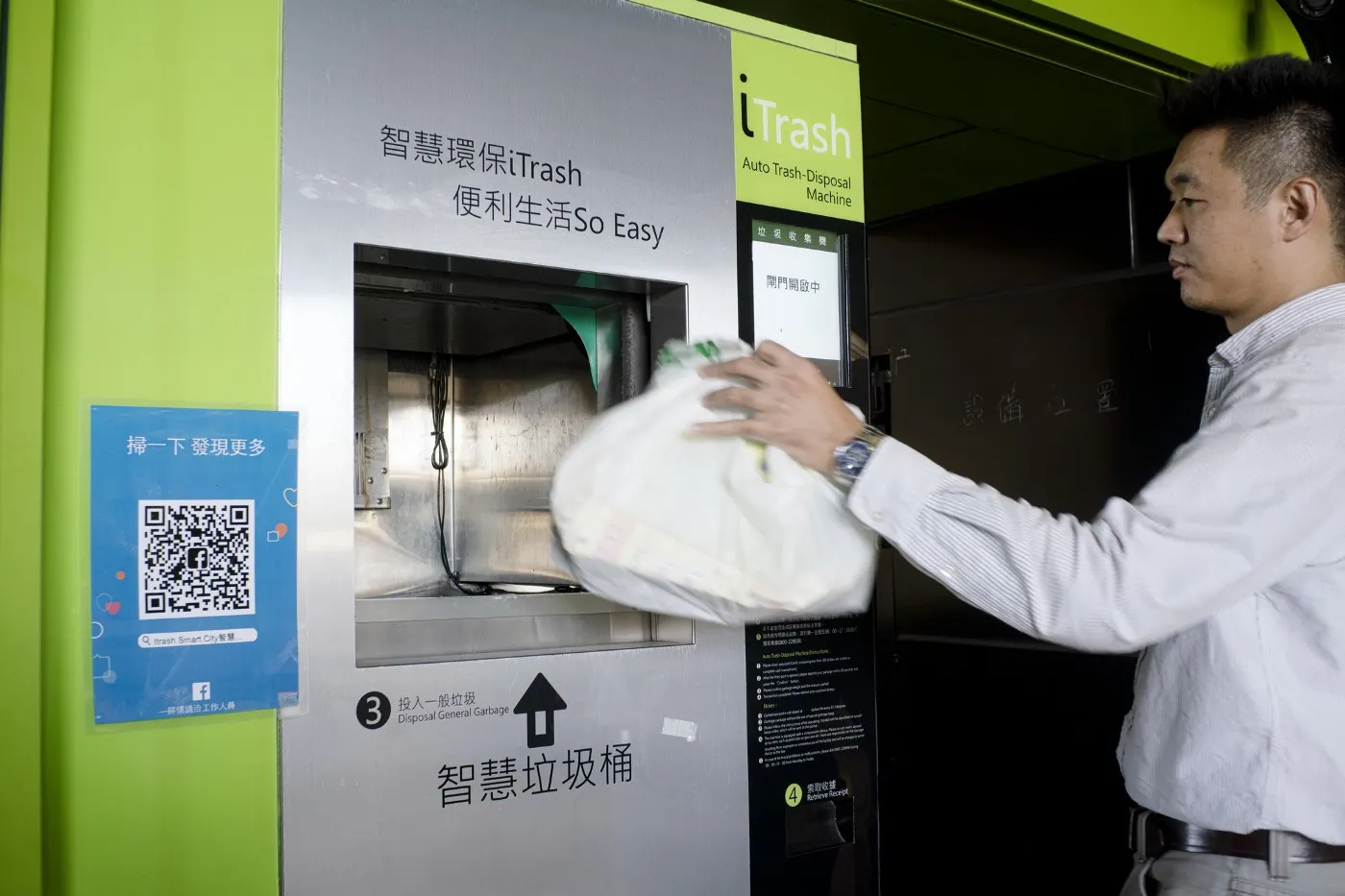
Over the past few decades, people in Taiwan have been taking the trash out for trucks to collect at specific times and locations, sacrificing convenience for a cleaner environment. According to a survey of 2,000 residents in Taipei City and New Taipei City conducted by the Industrial Technology Research Institute, 75% expressed that the designated waste collection time was not convenient for them.
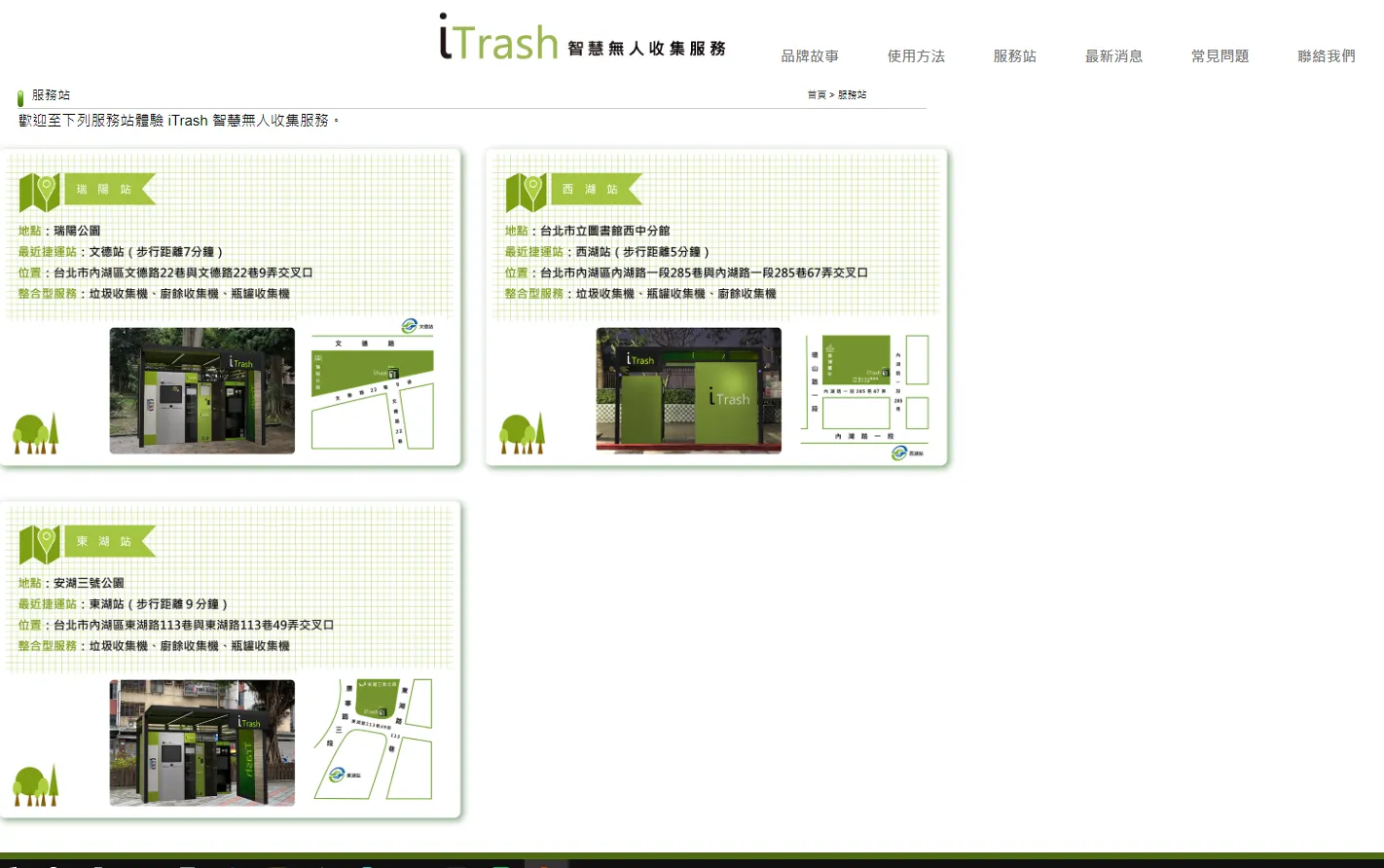
To make garbage disposal more convenient for the public, Hao-Yang Environment Technology Company developed smart garbage bins called iTrash for people to dispose of their garbage at any hour. iTrash collects trash, recyclables, and food waste. Trash fees are charged by weight, and users can earn rewards by recycling. As iTrash’s bins only open after users insert a smartcard, they can prevent the overflow or pile up of garbage.
Waste Management: A Responsibility of All
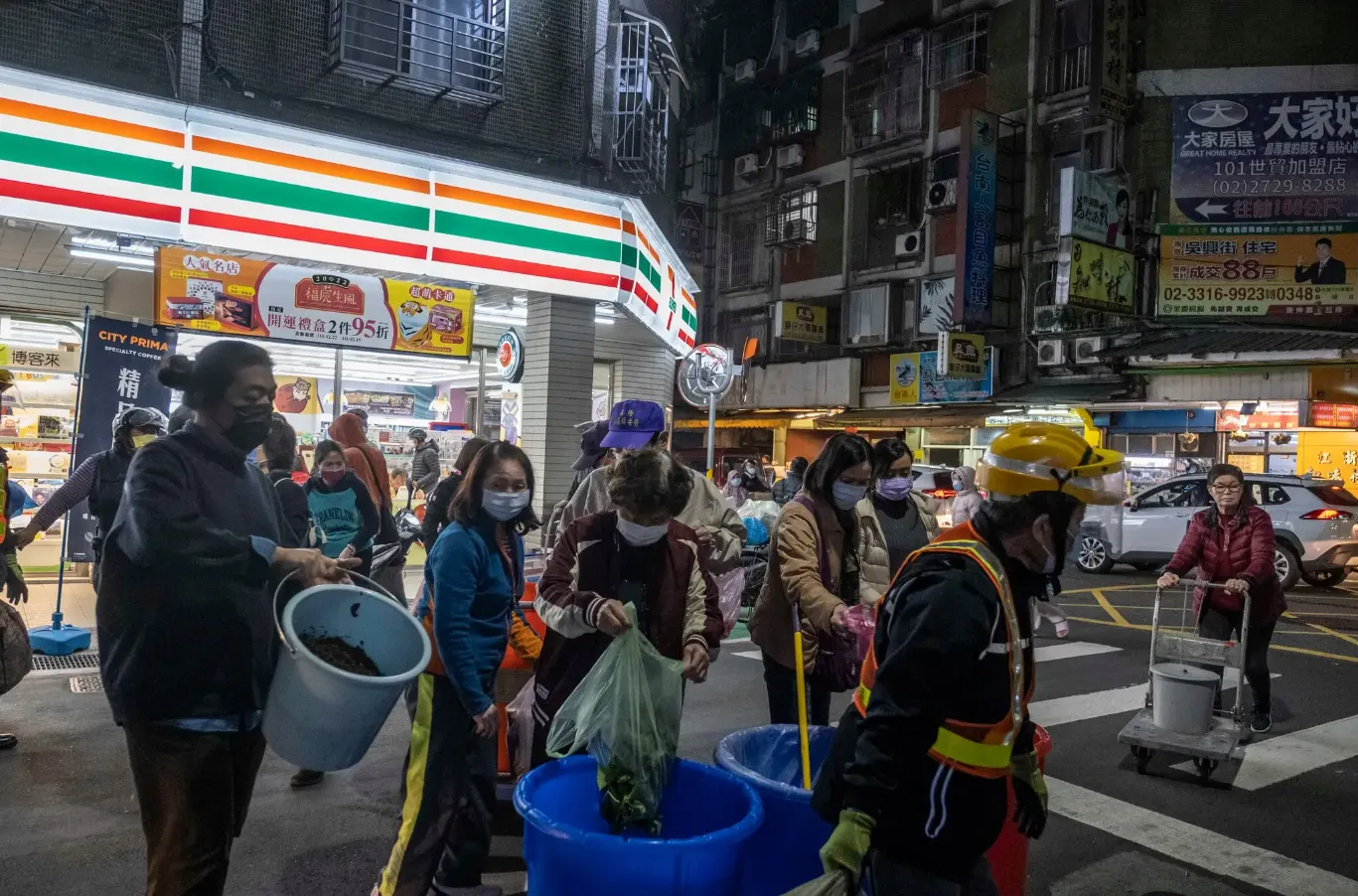
In addition to thorough inspections, educating residents is also important, as exemplified by Nantou’s Zhushan Township, which achieved the highest recycling rate of all of Taiwan four 4 consecutive times. It is because of the township’s organized waste-collecting team, that the team often promoted the sorting of waste in schools and communities.
Sometimes, the residents would slack off, so we’d organize large events with activities to remind them of the importance of sorting waste. We’d also hold some fairs at the landfill, so people know where their waste goes after collectio....The leader of the waste-collecting team said.
It takes action from all
Waste management varies according to each region’s different circumstances, but to really make a difference in reducing trash, it takes action from all parties. Are Taiwan’s central and local governments determined to implement effective policies and impose stricter regulations? And are we, as individuals, willing to sacrifice some convenience and sort our waste thoroughly before disposing of them? There is much that can be done, and it’s up to all of us.